Quarrying in the Bull Run Mountains
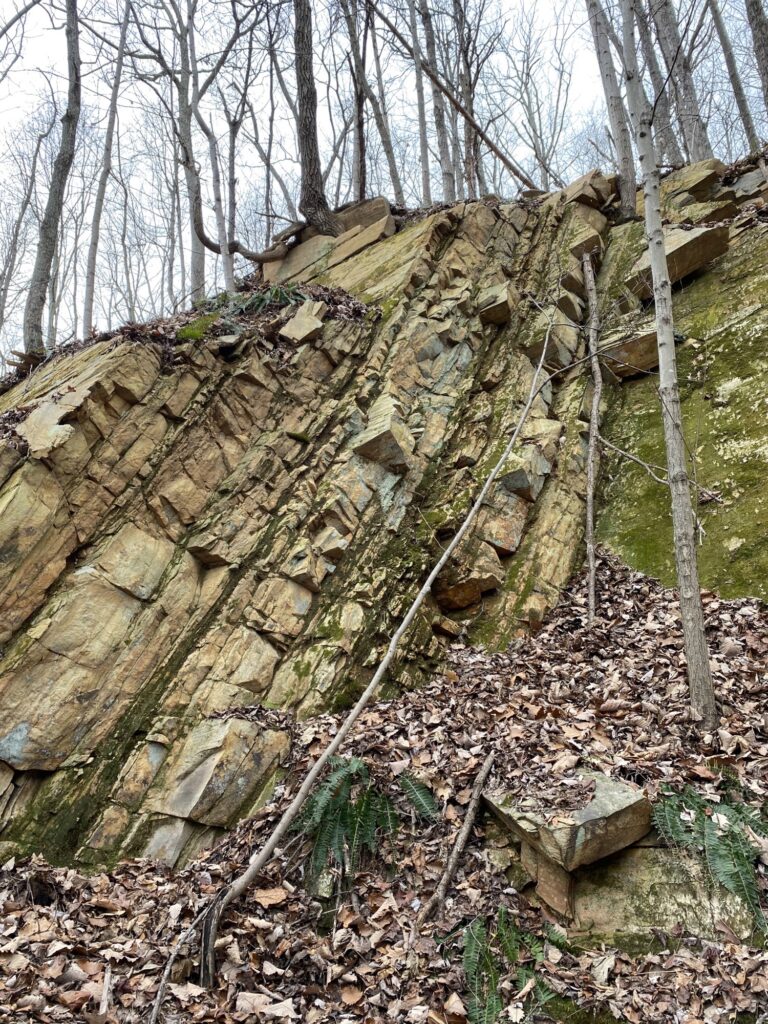
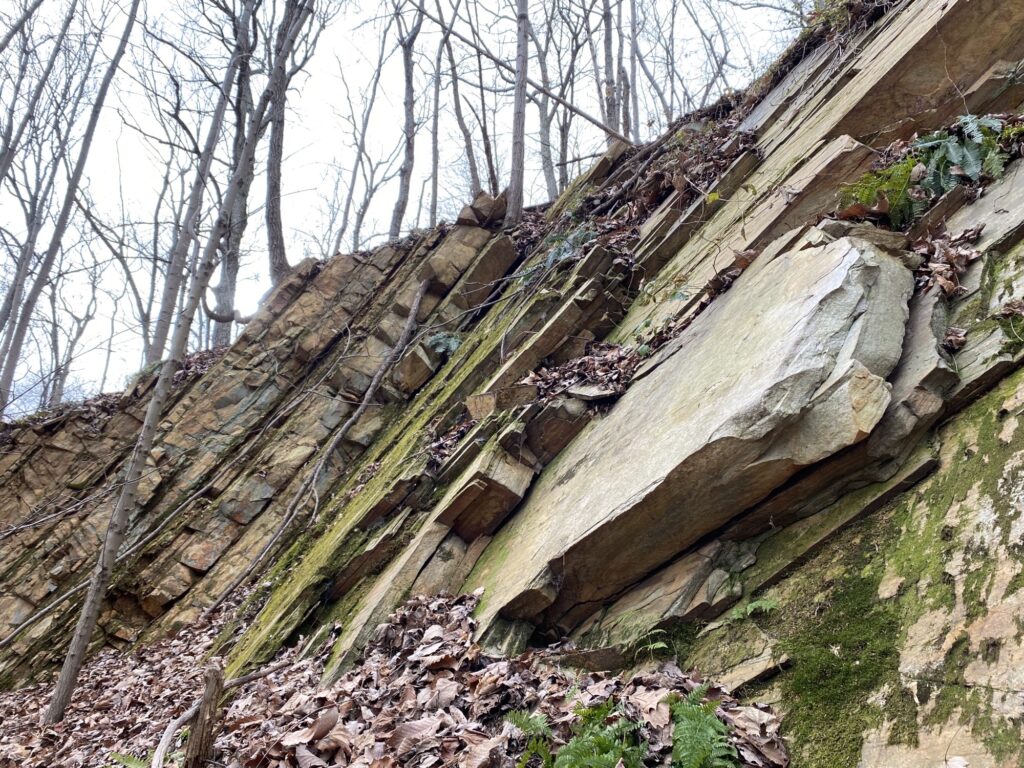
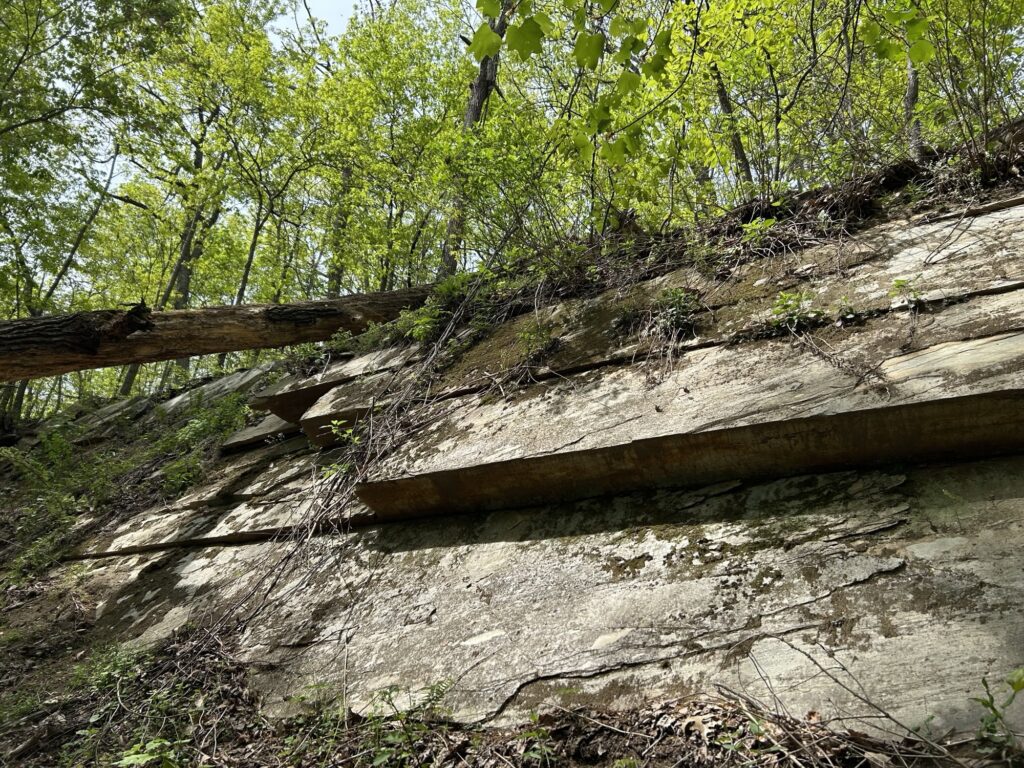
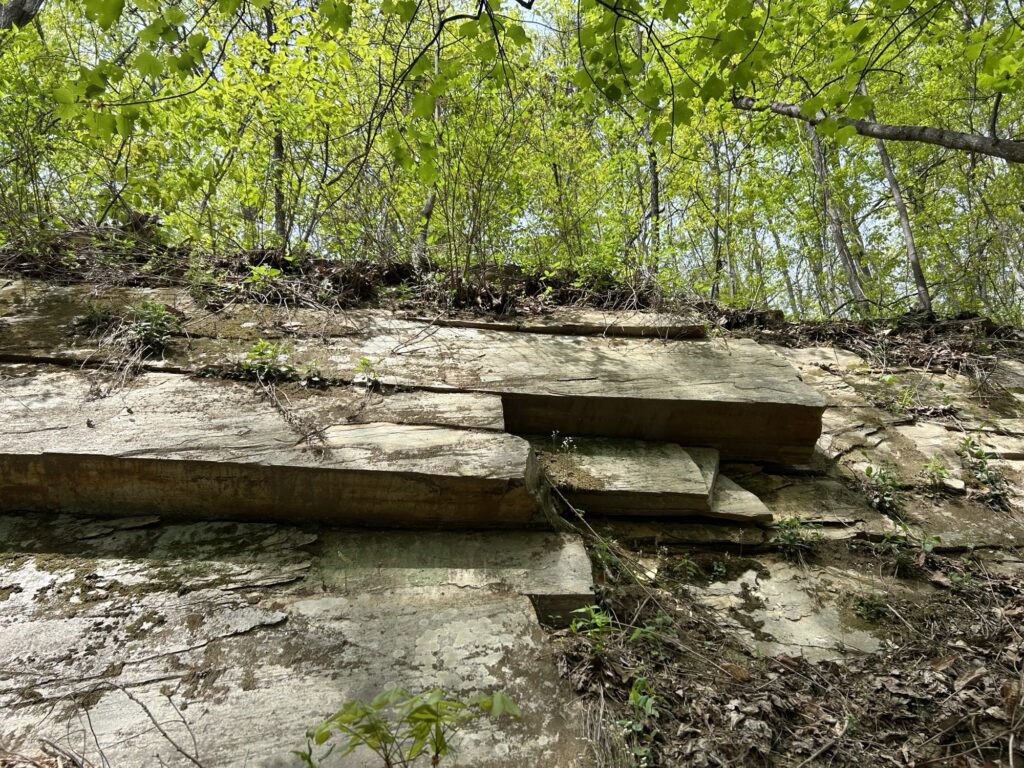
The Bull Run Mountains’s geological makeup includes quartzite, a silica-rich rock harder than granite. For over 200 years, this stone was quarried by hand and machine to build the foundations, chimneys, and walls of buildings throughout the Virginia Piedmont. Today, the landscape is marked by deep “V” trenches and jagged pits, the “scars” left by generations of quarrymen. Quarrying here began with enslaved labor used to build grand structures like the Chapman-Beverley Mill, which once stood seven stories tall. Following emancipation, Black families turned these forced skills into a source of independence. These resident homesteaders worked quarries throughout the mountains, selling flagging and facing stone to earn a living for their families. By the mid-1900s, gas-powered equipment and WWII surplus vehicles, such as MB Jeeps, replaced hand tools and mules. This mechanization enabled these operations to function on a larger scale. While the quarries within the Preserve are now silent, the stone remains a permanent part of the local history and landscape.
Quarries in Red
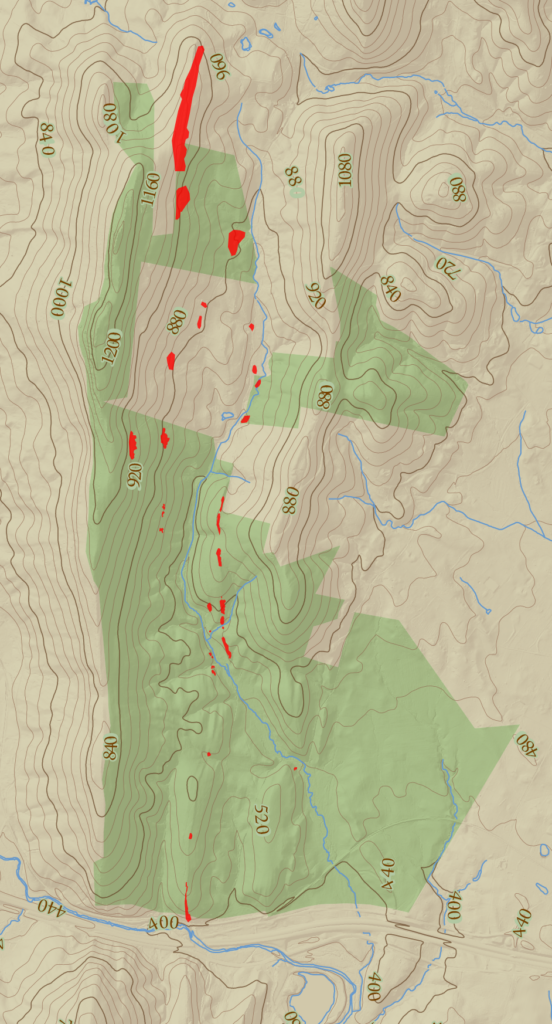
Quarries were hand-dug until the early 1990s, when gas-powered equipment became available to the families who homesteaded the Bull Run Mountains.